Lessons from our Wellness Day panel on movement, nutrition, and making healthy habits actually fit your life.
“Getting healthier” can very quickly start to feel like a very big project.
You decide you want to make a change, and suddenly you’re thinking about working out several days a week, stretching every day, fixing your diet, eating more protein, drinking more water, getting more sleep, hitting a certain number on the scale…
Maybe you even tell yourself you’ll join the gym once you get in a little better shape.
Before you’ve actually done anything, you’ve given yourself a second job.
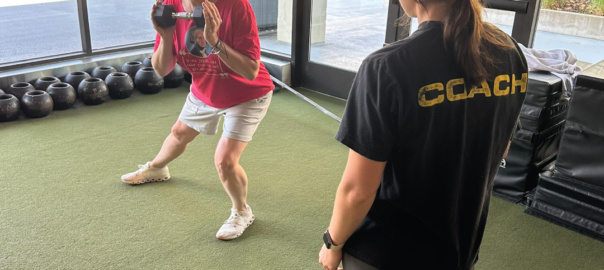
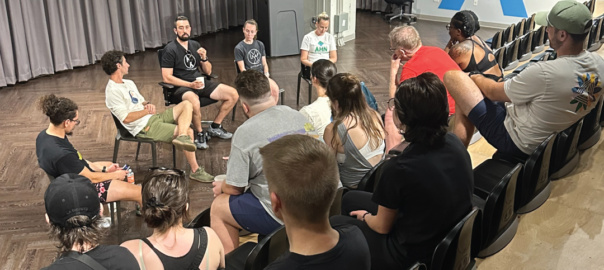
During our recent Union Fitness Wellness Day, we brought together professionals from across the health and wellness space to answer questions from our community. We talked about movement, nutrition, recovery, building habits, and how we should actually measure progress.
Despite covering a lot of ground, one theme kept coming back:
Taking care of yourself doesn’t have to be complicated. Sometimes, you just need to start.
Make the First Step Almost Too Easy
Want to work on your mobility?
Start with five minutes.
Seriously.
You don’t need an hour-long mobility routine for it to “count.” Five intentional minutes that you actually do will probably serve you better than the perfect 45-minute routine you keep putting off until you have more time.
The same idea applies to getting into the gym.
One of the barriers we regularly hear from people is some version of, “I want to get in better shape before I start going to the gym.”
But that’s what the gym is for!
You don’t have to get fit enough to go to the gym any more than you need to get flexible enough to start stretching.
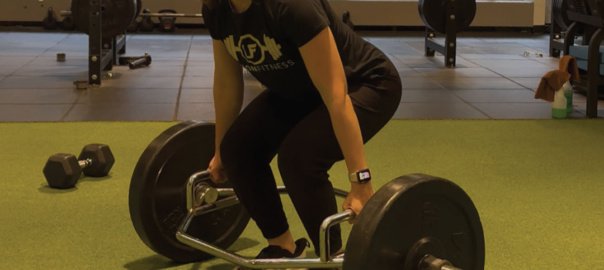
Your first step might simply be walking through the doors. Take a tour. Try a class. Ask someone how a machine works. Do a few exercises you already know and call it a day.
You can build from there.
Fuel the Life You’re Actually Living
Nutrition can become another area where we let “perfect” get in the way of “better.”
Instead of immediately overhauling everything you eat, look at what would make your current routine a little easier.
Maybe that’s keeping a few snacks at work so your energy doesn’t crash halfway through the afternoon. Maybe mornings tend to make you nauseous, so instead of forcing yourself through a large breakfast, you experiment with something smaller and easier to tolerate.
One of our Wellness Day attendees described skipping breakfast and then getting to the end of the day feeling like they still had an “unused meal token.”
We’ve probably all played some version of that game.
But our bodies don’t necessarily keep score that way. When and how much we eat throughout the day can affect hunger, energy, training, and even how we feel heading into bed.
Rather than getting caught up in finding the “perfect” diet, start by looking at the bigger picture. Are your meals actually keeping you fueled? Are you getting a variety of foods? Do you regularly include sources of protein, carbohydrates, fats, fruits and vegetables? Are your eating habits supporting the way you want to feel and perform?
Healthy eating doesn’t have to belong to one particular food ideology. It should support the life you’re trying to live.
Find Movement You’ll Actually Come Back To
This may have been one of our favorite points from the entire panel:
Movement should be fun.
That doesn’t mean every workout needs to be easy.
You can work hard. You can challenge yourself. You can have days where the last thing you want to do is start—and still feel great afterward.
But if exercise permanently lives in the same mental category as doing your taxes, it’s going to be really difficult to keep doing it.
There are too many ways to move to spend your life forcing yourself through one you hate.
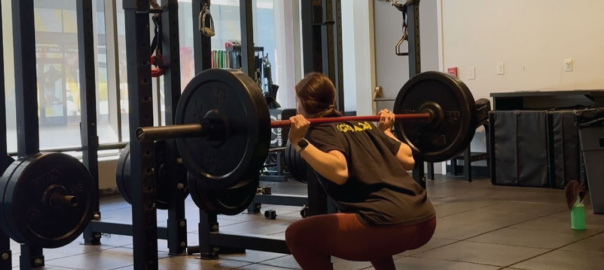
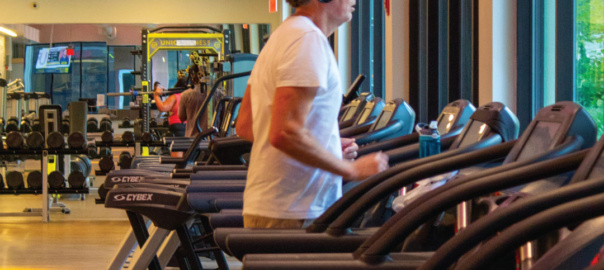
Lift weights. Take a yoga class. Run. Hike. Ride your bike. Play pickleball. Dance. Swim. Take a group fitness class. Walk around the neighborhood with a friend.
And yes, you can do more than one.
The “best” exercise program on paper isn’t particularly useful if you hate it enough to stop doing it.
Find something that challenges you and gives you a reason to come back.
Measure Progress With Things That Actually Matter
The scale came up quite a bit during our panel, and for good reason.
It’s incredibly easy to let one number determine whether we think we’re making progress.
But body weight fluctuates.
Hydration, sodium intake, carbohydrate intake, digestion and other factors can all change what you see on the scale from one day to the next. For women, hormonal changes throughout the menstrual cycle can contribute additional fluctuations.
That doesn’t make the scale useless.
It just means we need to understand what it’s actually telling us.
Use the scale to identify trends, not to grade yesterday.
If changing your body weight is one of your goals, looking at the trend across several weeks can give you useful information. Letting Tuesday morning’s number determine whether Monday was a “good” or “bad” day probably won’t.
And the scale isn’t the only way to measure progress.
Ask yourself:
- Are you stronger than you were six months ago?
- Can you walk farther without getting tired?
- Can you use more weight or complete more reps?
- Is getting off the floor easier?
- Are you sleeping better?
- Do you have more energy throughout the day?
- Are your clothes fitting differently?
- Are you showing up more consistently?
- Can you do something today that you couldn’t do before?
Those are measurements, too.
And depending on why you started, some of them may matter a whole lot more.
Just Start Somewhere
If there was one takeaway from our Wellness Day conversations, it’s that health doesn’t have to become another full-time job.
Five minutes of mobility still counts.
A snack in your desk drawer can be a meaningful nutrition strategy.
Finding a type of movement you genuinely enjoy matters.
And progress can show up in dozens of places that have nothing to do with the number you saw on the scale this morning.
You don’t need to change everything at once.
Pick something small enough that you can actually start.
Then give yourself the chance to do it again tomorrow.